bunbun et al seem to love the new hosta. we added them to the back garden – along the new fence – last summer. and then bunbun’s momma added her family to the backyard.
it’s not that we don’t love hardy purple-flowered hosta. they are the hosta of my youth, the stalwart souls of shady gardens everywhere. they come back, despite pretty much anything.
but those white-flowered hosta – big solid-colored blue-green leaves – and the waterfall of white flowers bent under the weight of their blooms. i’d see them in nestled in mulch on our walks. i’d see them in peaceful garden center strolls. ahh, i was in hosta-desire.
most of our yard – prior to last summer – has come from others. plantings, cuttings, full transplants from people dear to us. so it has been less about landscape-planning and more about gratefully accepting gestures of friendship and generosity.
and then, when it was time for a fence, it became about planning.
our fern garden is tucked into the back left, over by the garage, under a canopy of many big old trees. we dug up and transplanted all the hosta from along the back fenceline to over by barney – kind of a vintage garden, old-fashioned flowers tucked in next to each other, next to our almost-100-year-old piano. it’s where our sweet peonies are and all the daylilies.
along the back fence, though, we now have various-sized ornamental grasses. switchgrass and zebra grass, blue sedge and a big piece of driftwood that tiny birds seem to love. they perch and linger, eyes on the birdfeeder, waiting their turn for the birdbath. we added three of the darker-leafed hosta. these are the ones bunbun loves. tiny bites of leaf – evidence of bunny snacktime.
each day – with the coolest watering wand and hose gifted to me by my niece – i wander slowly around the backyard, taking note of new growth in each of our plants – the gifted ones, the carefully-researched, chosen ones. it’s simplicity at its best – a slow walk nurturing all the living things back there. we fill the birdfeeders, knowing the chippies and the squirrels love them too. we clean and refill the hummingbird feeder and late dusk watch the hummer fly in to do its feeding circuit. we scrub out the birdbath daily, refilling it – just as the woman walking through the parking lot told us to do when she enthused about our purchase on the rolling flatcart and i asked her about things we should know.
it’s a slower summer. because of circumstances, we don’t know if we will be able to travel much. but that makes dogdog happy. and, in my imagination, i can hear the house wrens and the cardinals and the robins and chickadees and sparrows clapping. and bunbun’s ears perk up too.
we were supposed to have company. it has been a rarity these last couple years to share our space with anyone, so we were really, really looking forward to it. visits with people we haven’t seen in a year, two years. coffee-sitting or wine-chatting out on the deck, slow walks along the lakefront, catching up. long-awaited.
it wasn’t to be.
just before, we had attended a small gathering – outside. we were alerted a couple days later that we were exposed to covid. guidelines are such that it was then our responsibility – which we don’t take lightly – to isolate from others so as to avoid being contagious, whether or not we were also ill. we have respected this pandemic and its resulting health guidelines from the start, so we did the only responsible thing. we cancelled our guests, two sets of them.
to say we were disappointed is to underplay the isolation of these times. we were stunned. the ever-present facebook shows people off gallivanting on vacations and cruises, at disneyworldland, at parties. and we, abiding by what had been outlined as ways to protect others, were alone. in truth, we were a little ticked.
and so, we dedicated ourselves to crossing every appendage we’d stay healthy and working on the backyard. the new fence has created a blank canvas and we wanted to re-plant and re-organize our tiny sanctuary. i began studying plants and sun and shadow and height and breadth and movement and placement.
we moved the old hostas. they were along that back fence line. it hasn’t been a good year for hostas, dan told us, and we’d have to agree. these intrepid plants, we knew, would bounceback, so we transplanted them next to barney and under the white fir pine. i wanted a few hosta for under the blue spruce, but i wanted elegans hosta, rich green not variegated, huge heart-shaped leaves, gorgeous texture that will share that space with tufting blue sedge grasses.
we went to the nursery. it’s all outside so we felt confident we were not exposing anyone and we spent a few glorious hours wandering in and out among the plants, dreaming. that’s where we fell in love with that little stand of quaking aspen. (pause for a moment…)
i took a zillion photographs, not only of grasses and plants, but of the accompanying tags of information, so that we could go home and i could research and develop a plan for the new landscaping we would be planting. i had my work cut out.
i made several trips to the nursery, asking questions and moving slowly through, glancing at my camera at the pictures i had of our backyard space, pondering. after a week – sans people – we went and picked up the first of the grasses, three switchgrasses, tall with plumes just peeking out. they would join the hardy pampas we had already purchased, hoping they would grow tall against the fence.
busying ourselves with greenery helped the sting of losing the opportunity to see loved ones, but not entirely. though grateful each day to not take ill, we felt gypped.
a few days ago we added a couple dwarf fountain grasses. their flouncy-ness is charming. we brought home a little zebra dwarf silvergrass and a purple fountain grass for contrast. after a few days of studying placement, we’ll actually dig holes, take them out of their pots and plant them. and there’s space for a small rock garden too, perfect for this thready heart.
it’s the end of the week and now more days have passed since our exposure. though we went through ten home tests – to make sure we were moving through a ridiculously long incubation period – we have mixed feelings.
we know that in cancelling our company we did the right thing, for we would not want to inadvertently infect them or anyone they would, in turn, see.
but we remain just as hungry – we are just as longing – for a bit more normal as we had been. we’ve all sacrificed much in these two plus years to protect each other. we – the two of us – have limited our restaurant-visits to less than two hands, have stayed back from concerts or festivals we wanted to attend, have masked in shops and stores, risking the dirty-look ire of others who have simply moved on. and we have not had the chance to really see many others – to laugh in our pjs together, to get in each other’s way in the kitchen, to spill out stories, interrupting and laughing.
doing the right thing is sometimes painful. especially when opportunity is few and far-between.
this weekend we’ll sit out on the deck and gaze out toward our new fence. in the early morning of the days i’ll water all the new plants, greeting them each time. and maybe, later in the day, the new grasses will catch an early evening breeze and tilt toward us, billowing. i imagine they will be thanking us for bringing them home. birds and more birds will attend to the feeders. squirrels and chipmunks will scamper, chasing each other looking for fallen seed, high-tight-roping across the yard. dogdog, a little older and more tolerant of little friends in his yard, will lay on the deck watching with us.
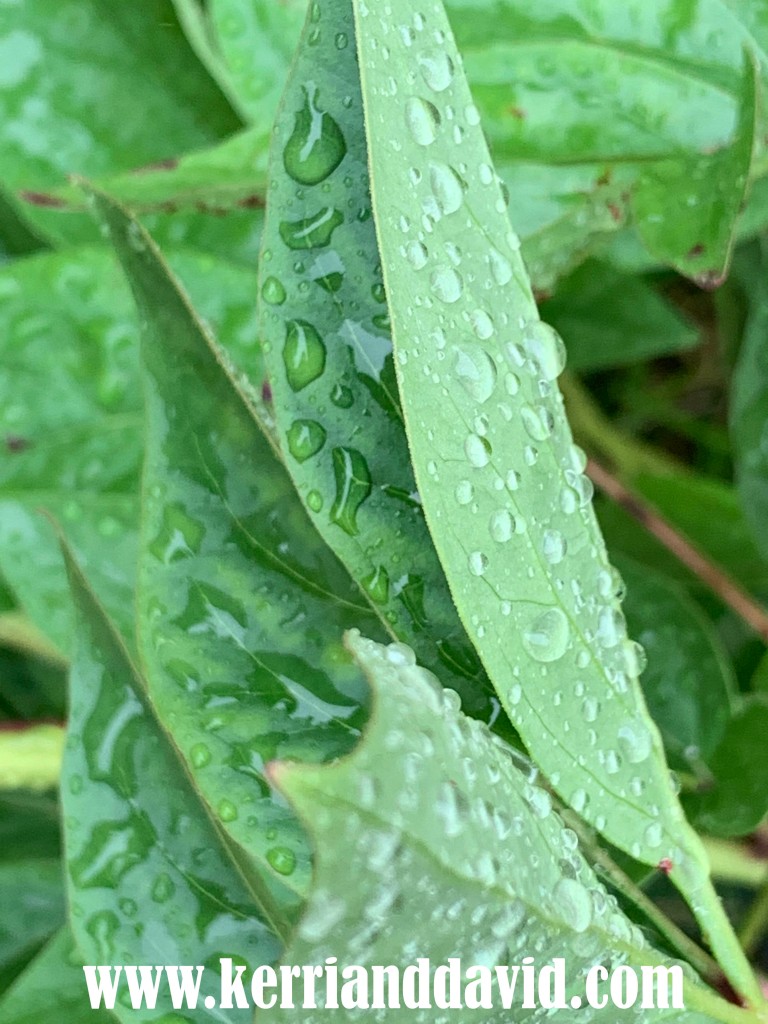
ordinary. perennially ordinary. hostas are intrepid, robust, shade-tolerant, adaptable plants. they are patient with human-planting errors and magnanimous with dogs who run amuck through their early sprouting. these plants seemingly have boundless energy to reproduce and spread and fill-in gardens in shadow. with low maintenance personalities, they happily populate yards and our hosta garden out back is an easy joy.
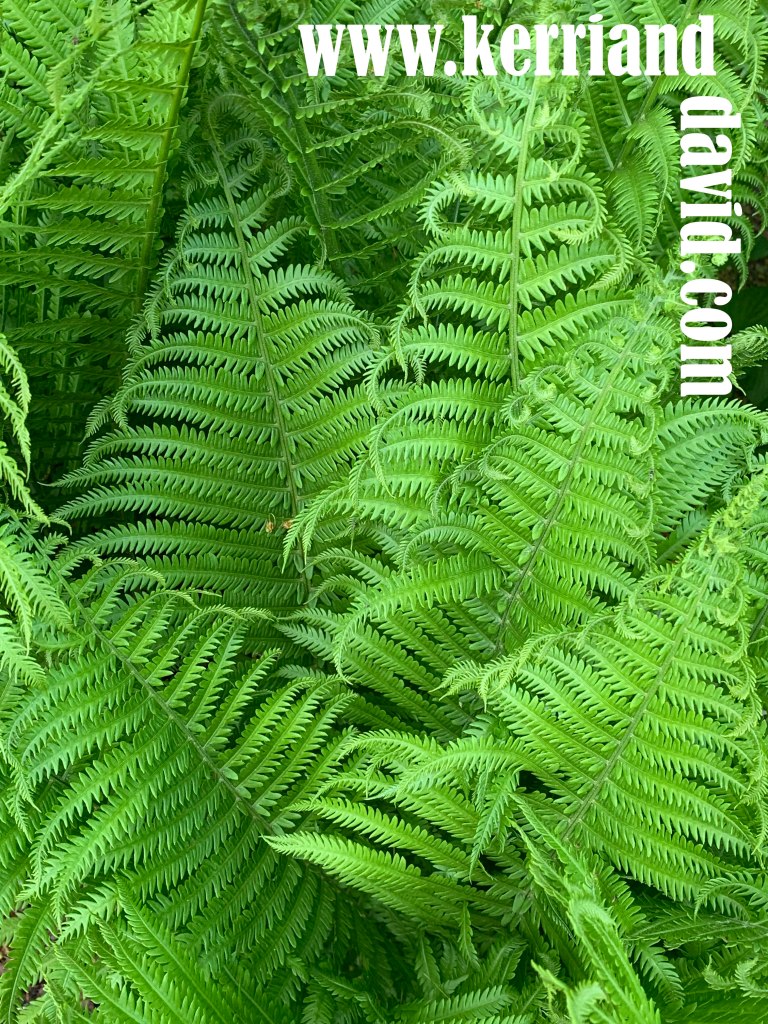
right next to the hosta is a garden of ferns. these are a different story. they are, indeed, more particular than hosta and, in our experience, much higher maintenance. they are beautiful, willowy and tall and a gorgeous green that changes in the light. still pretty ordinary but with a little more sass.
there are a few peonies in our backyard gardens. they are more specific about their needs. they like the sun and well-drained soil. they like a little space. they have a short-lived flowering season, but their wafting scent is remarkable. they are still ordinary plants, but need a smidge more attention than the ferns and quite a bit more attention than the hostas.
they all, however, live in community and, were we better garden-planners and were we not to have an aussie running circles in our backyard grass, would present a lovely picture. despite our lack of garden design and despite dogdog’s propensity for a bit of ruin, we are grateful for each of these living plants out back. the extraordinary of their ordinariness doesn’t escape us. they are there, they are steadfast, even without us worrying about them, fussing over them, micromanaging them. they seem to know what to do.
i recently interviewed for a job. it didn’t require a masters degree in the field, but i have one. it didn’t require experience in the area of expertise, but i have forty years. coming away from the interview, i noted to myself that it also didn’t seem to require a sense of humor or a sense of who people on either side of the call really were. is this ordinary? i’ve read many articles recently about leadership and management. the best of the best leaders and managers are human, appreciative of those they work with, looking for potential and collaboration, leaning on a bit of community warmth and pushing back at haughtiness and agenda in the workplace. the best of the best remember we are all extraordinarily ordinary, together.
i suspect i was too old for this job. that thought takes my breath away, but, these days, it seems to be true. i watch as garden centers work in our neighborhood and others we pass through. they carry in plants of great variety, design architectural gardens of varying heights and species and colors. i wonder if these gardens will require owner-vigilance or if they will propagate and grow toward their potential with the freedom that years of gained wisdom and savoir-faire and insight have granted. or if, perhaps, it will be a respectful collaboration, a chance to, in community, laugh at the breeze, bask in a bit of sun, cool off in late afternoon shade, soak in the rain and grow leaps and bounds. ordinary extraordinaires.






 reverse threading